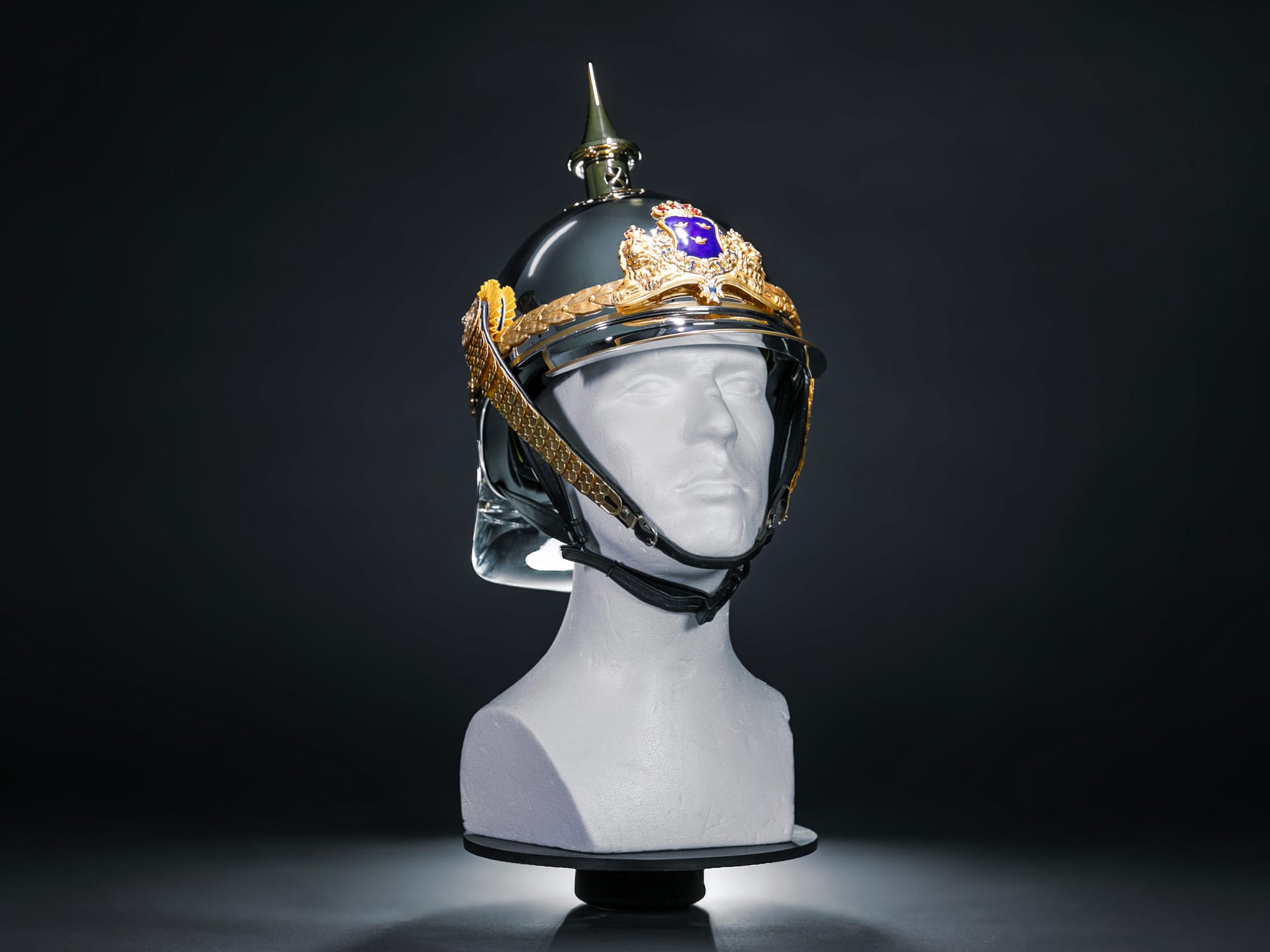
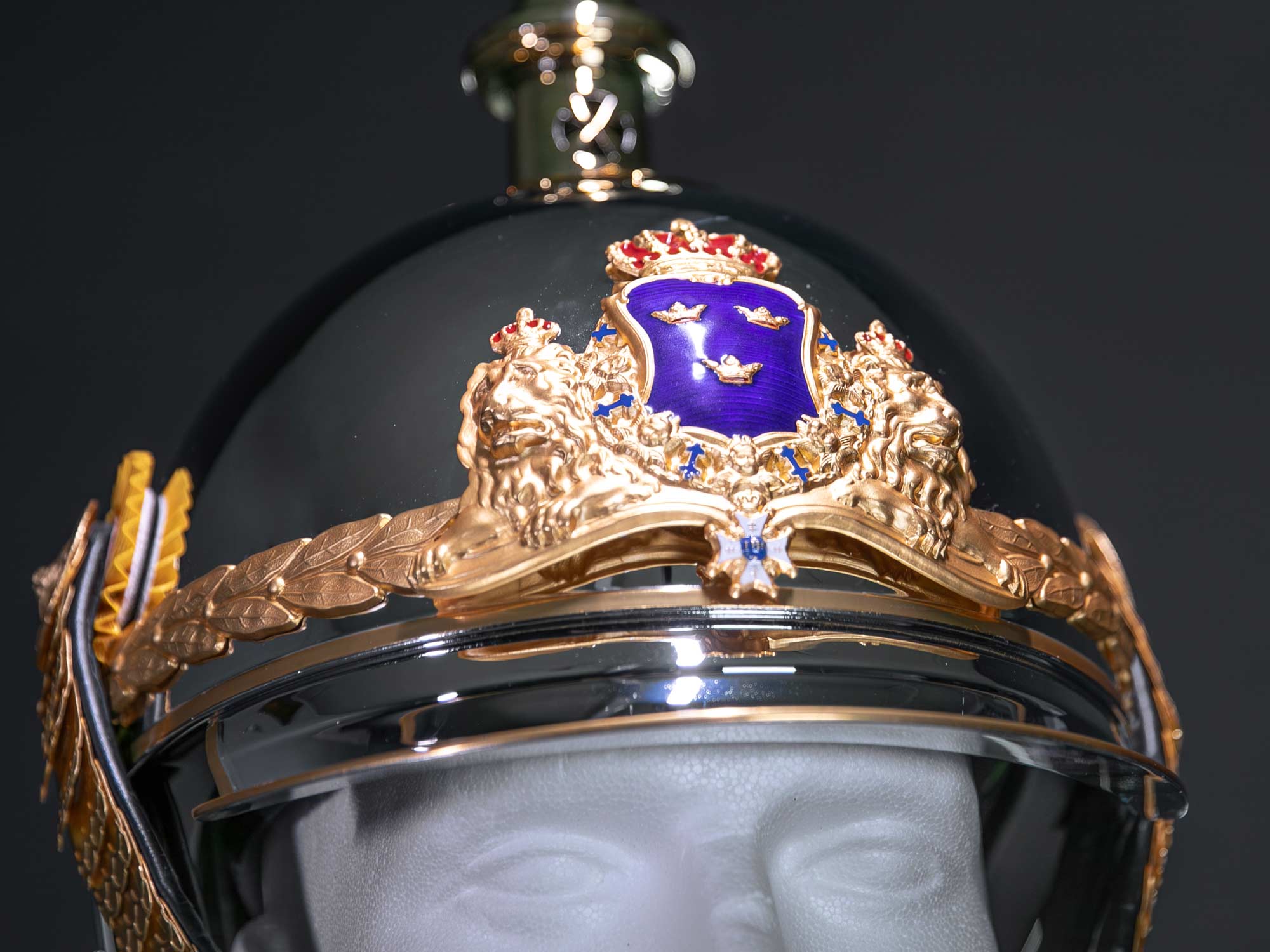
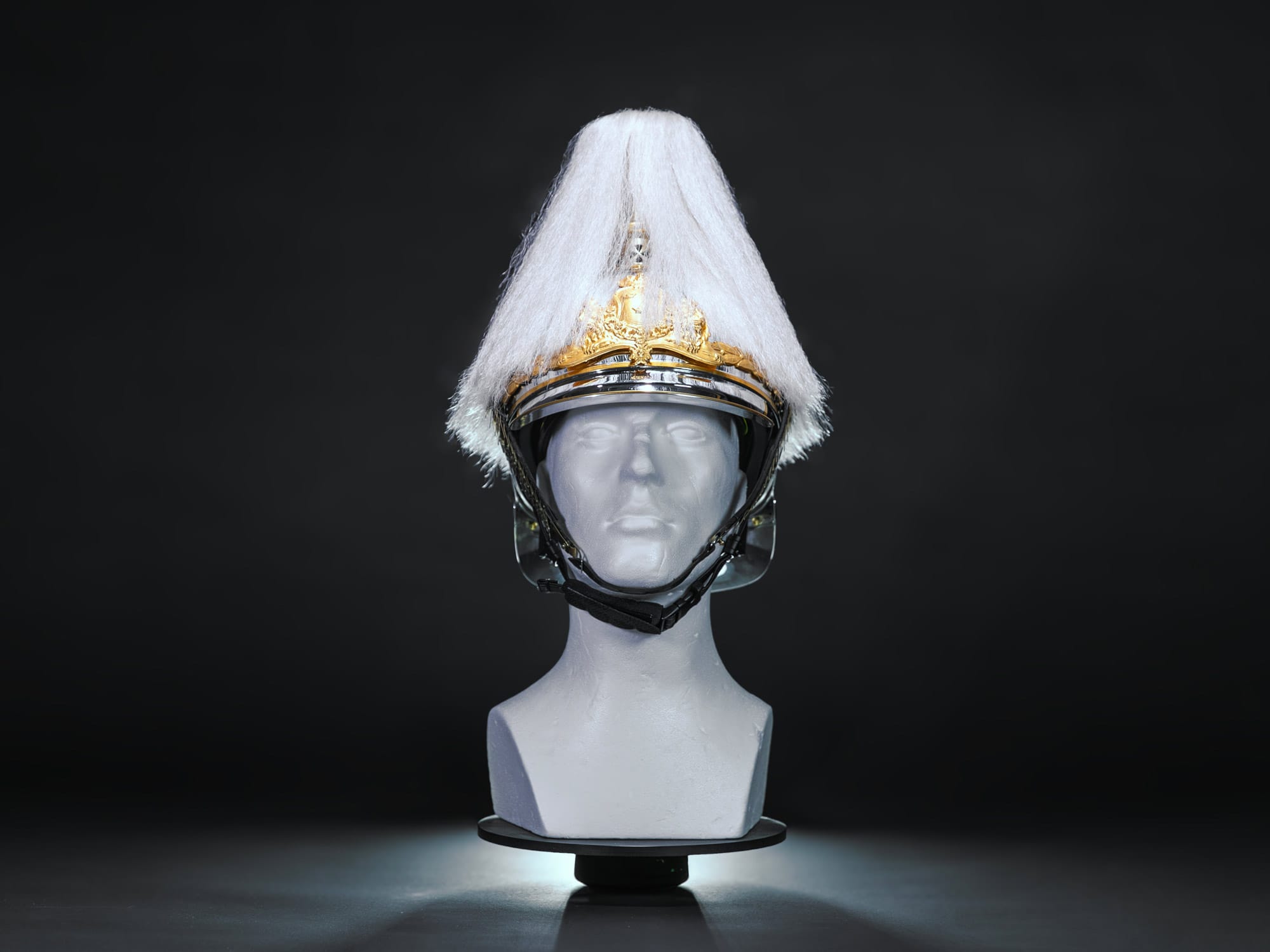
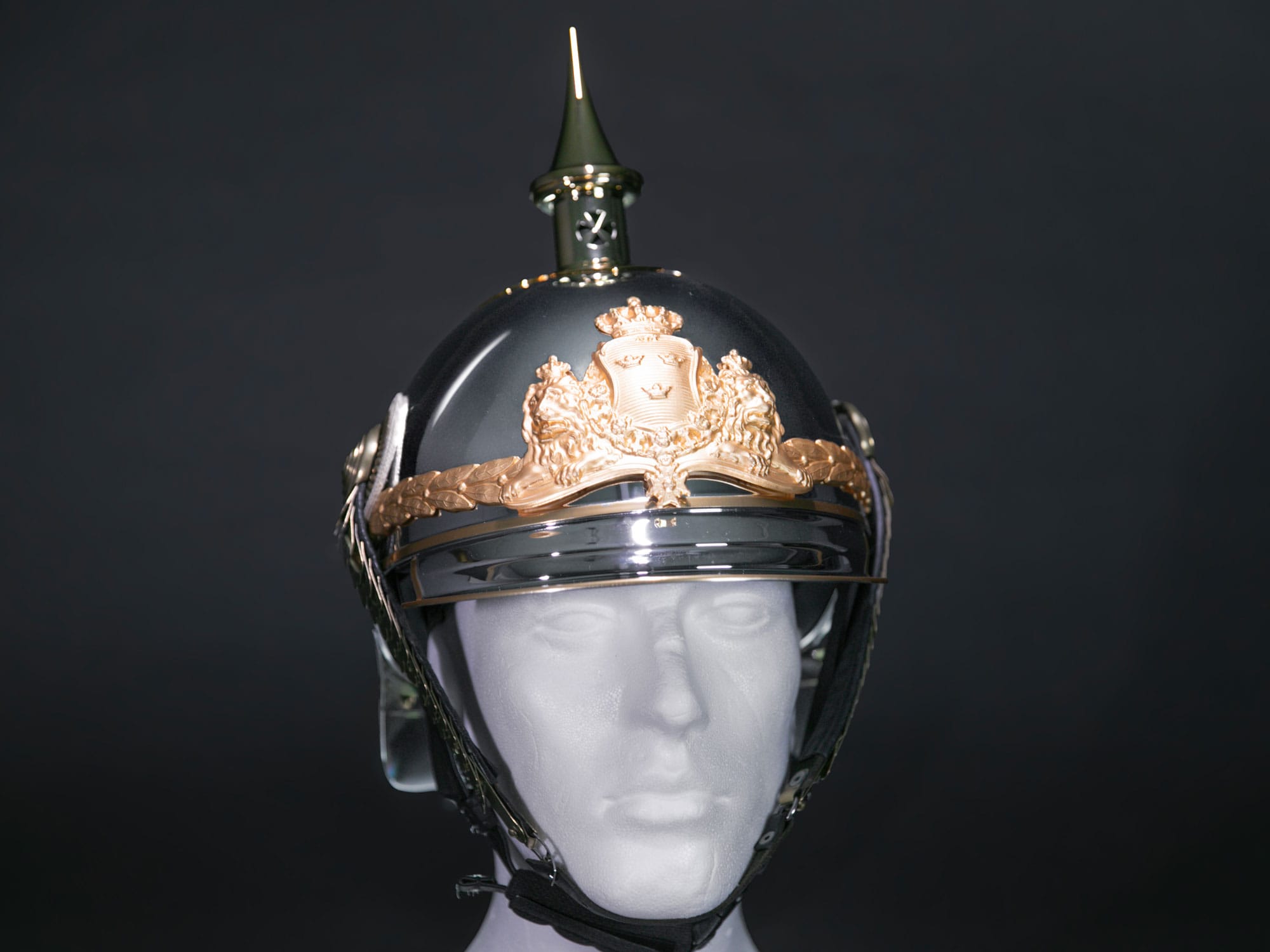
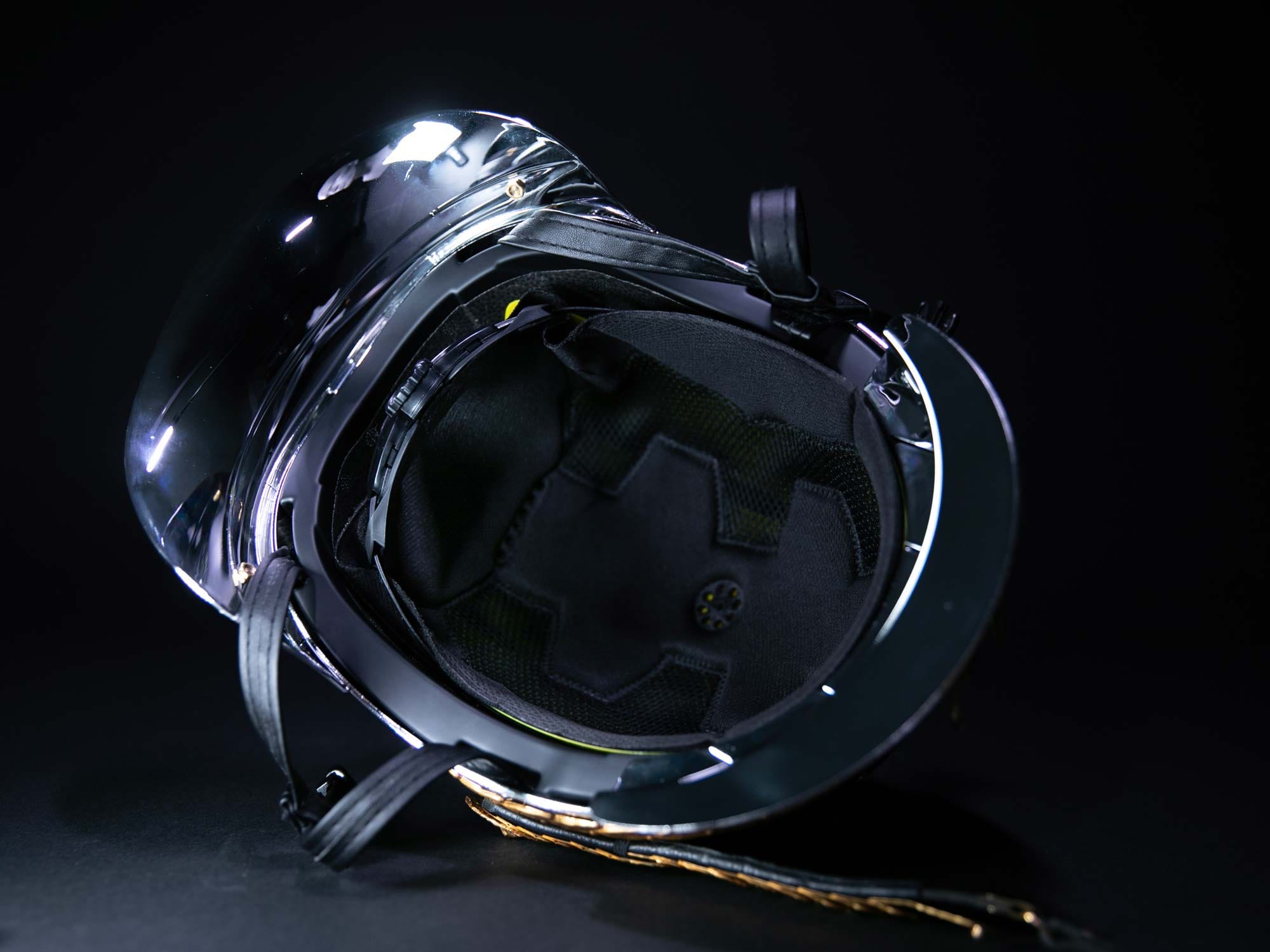
On behalf of the Swedish Armed Forces, Svekon has developed a new ceremonial riding helmet for the Life Guards’ riders. The result is a CE-marked helmet that mirrors the original in appearance—but with upgraded safety standards and construction adapted for modern use.
A Balance Between Form and Function
The assignment to replace the previous ceremonial helmet placed high demands on both engineering and design. The helmet needed to be safe for riding while visually resembling the classic model worn during formal occasions for over 150 years.
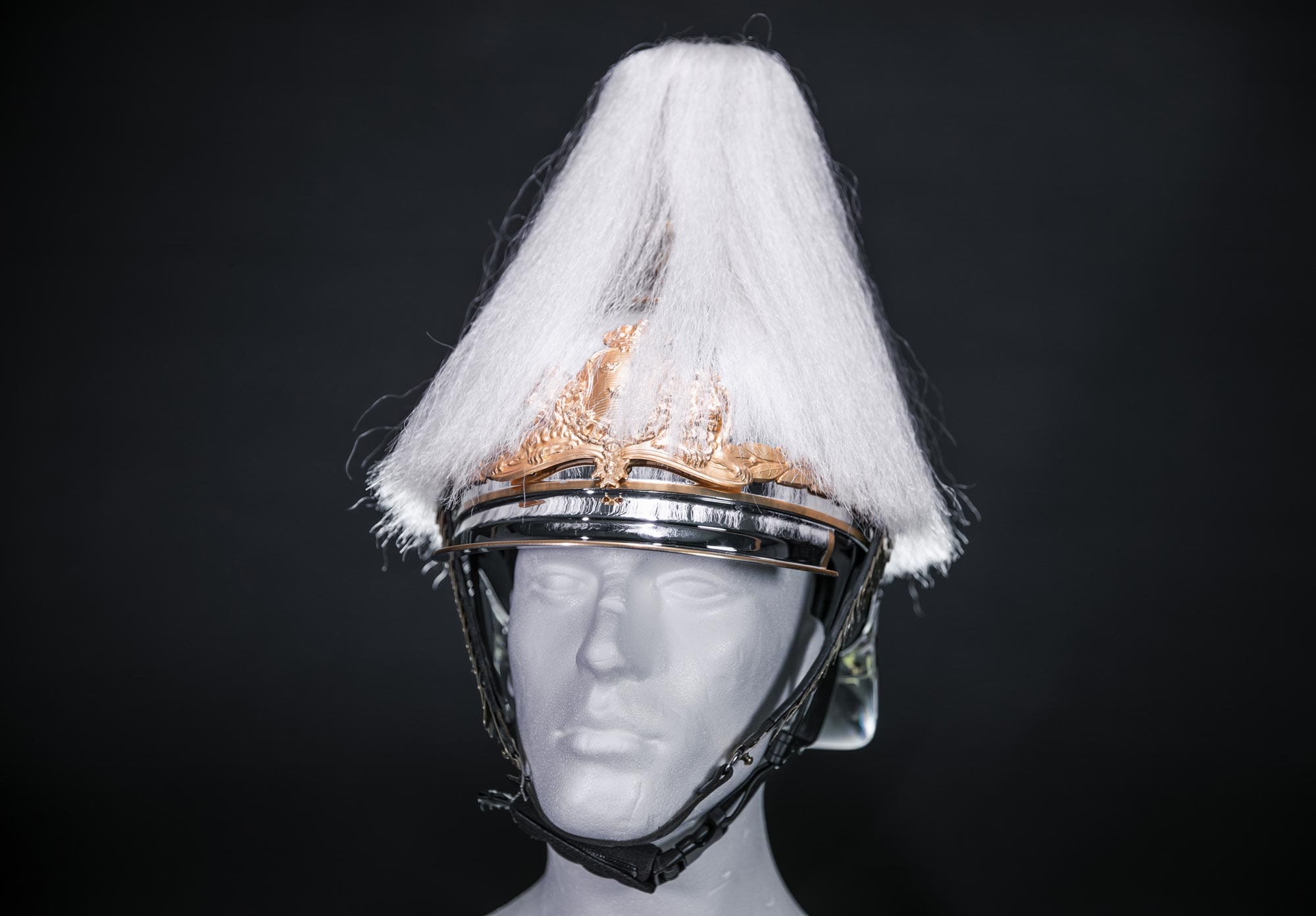
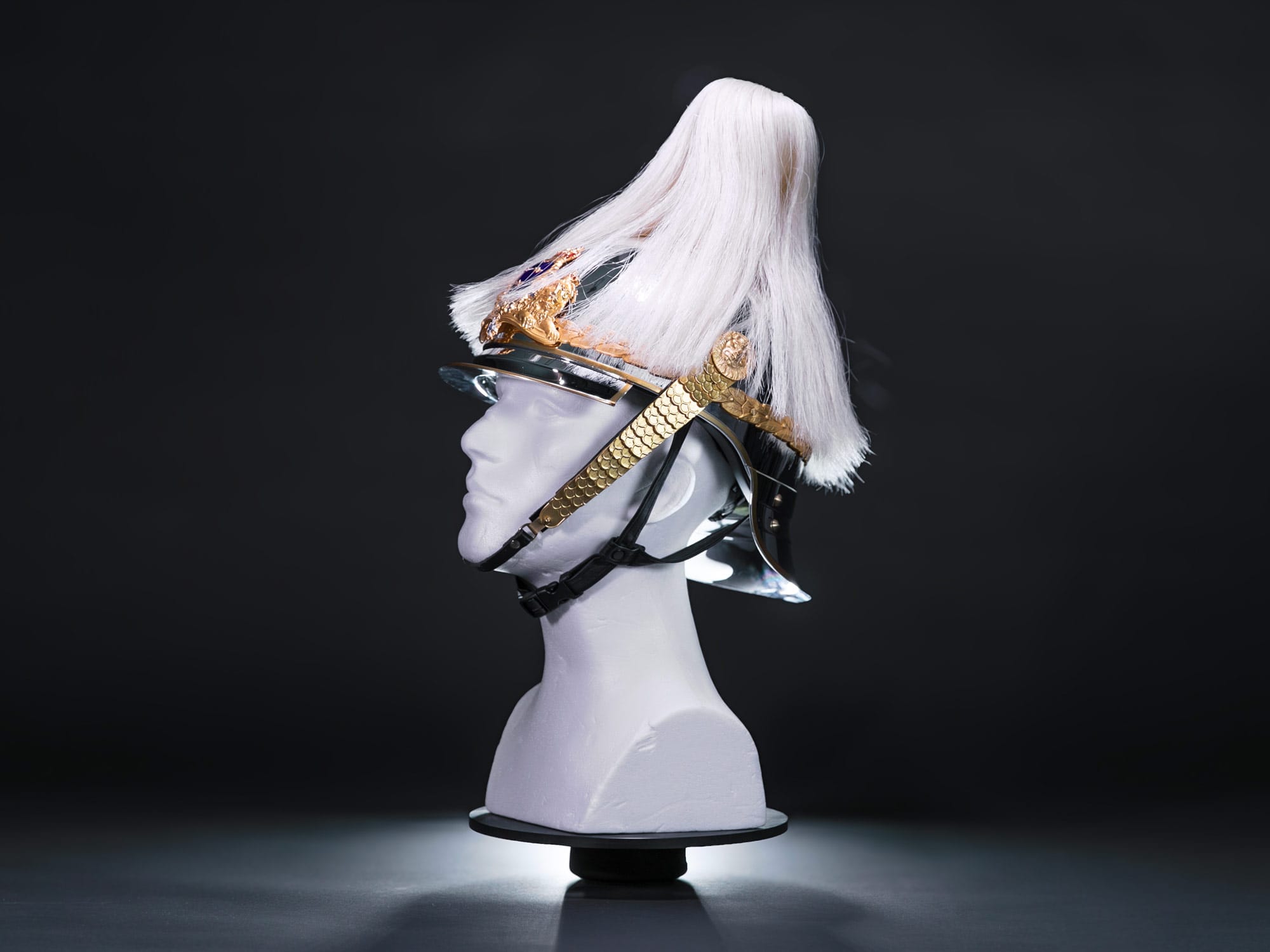
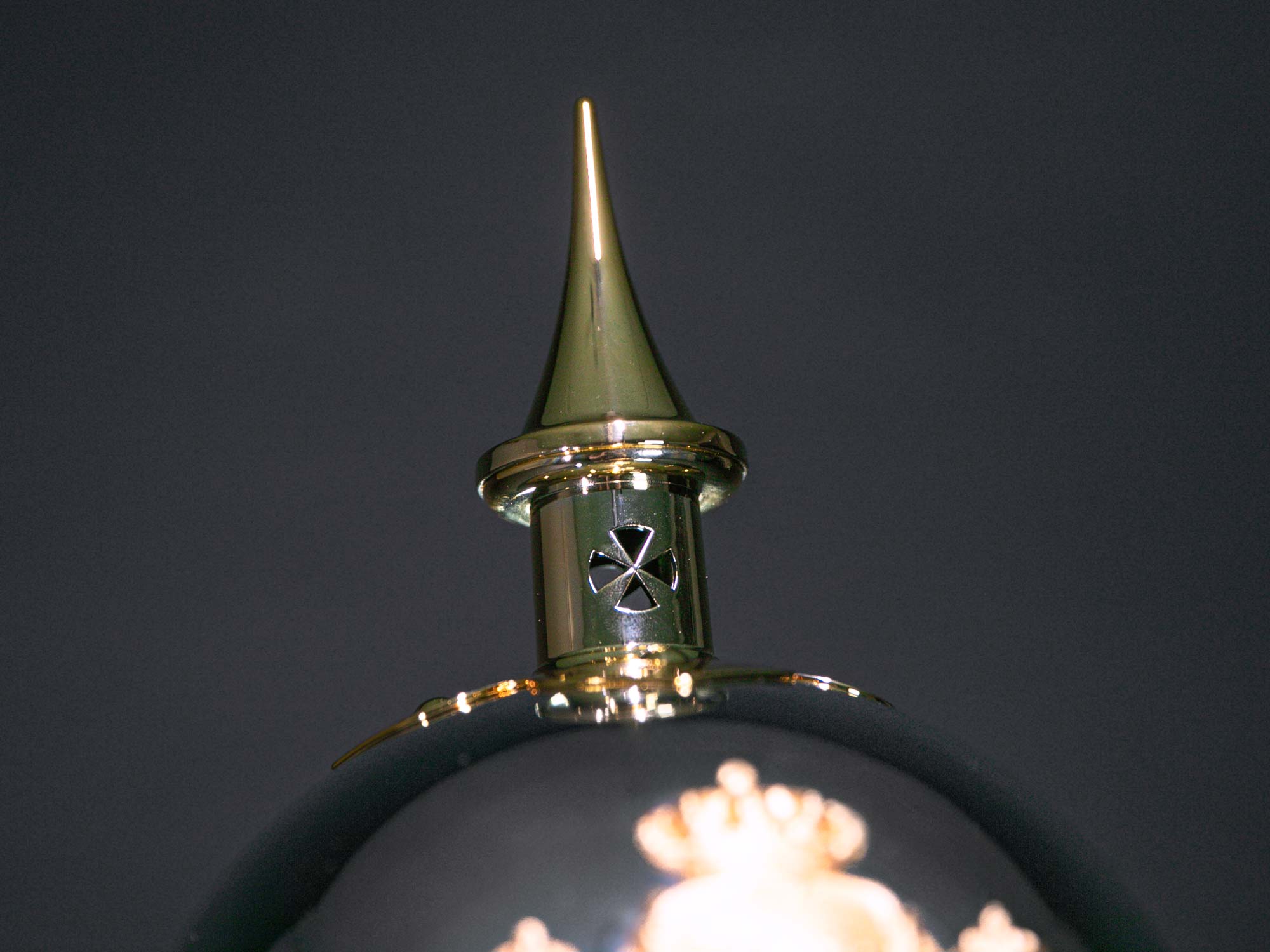
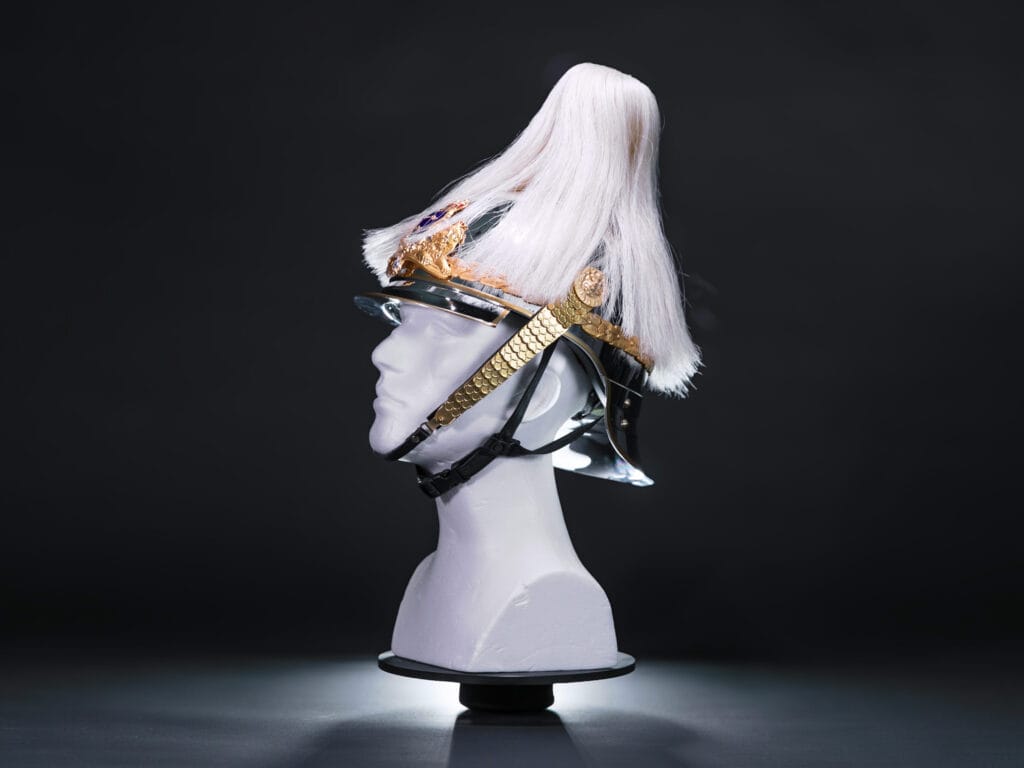
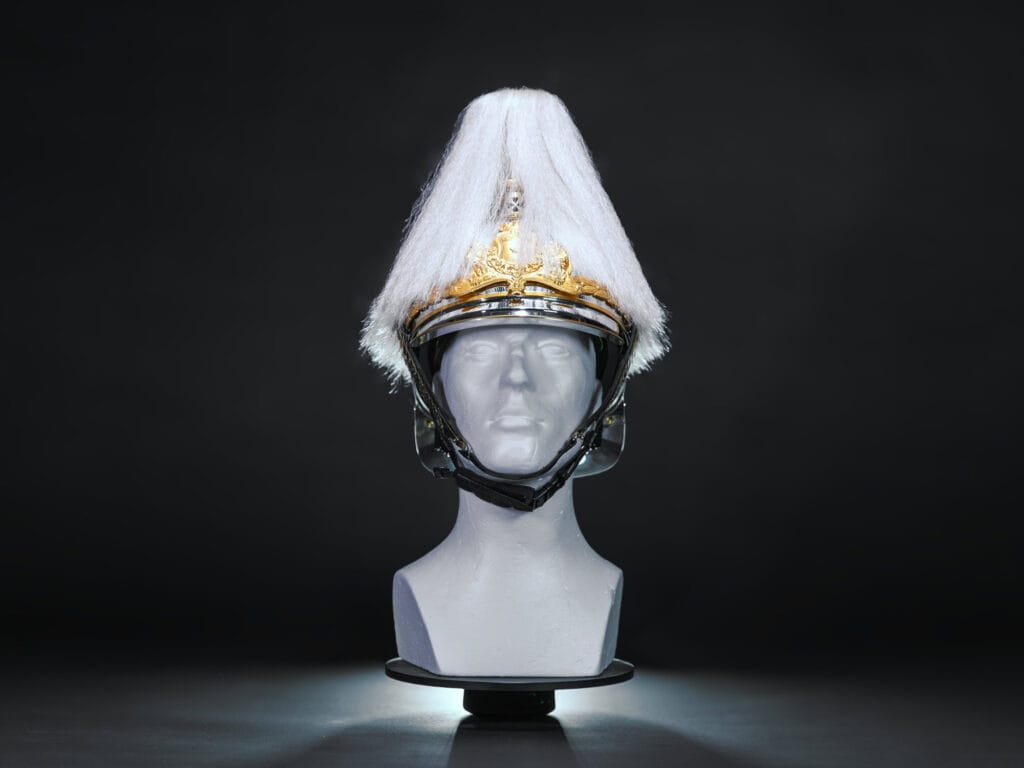
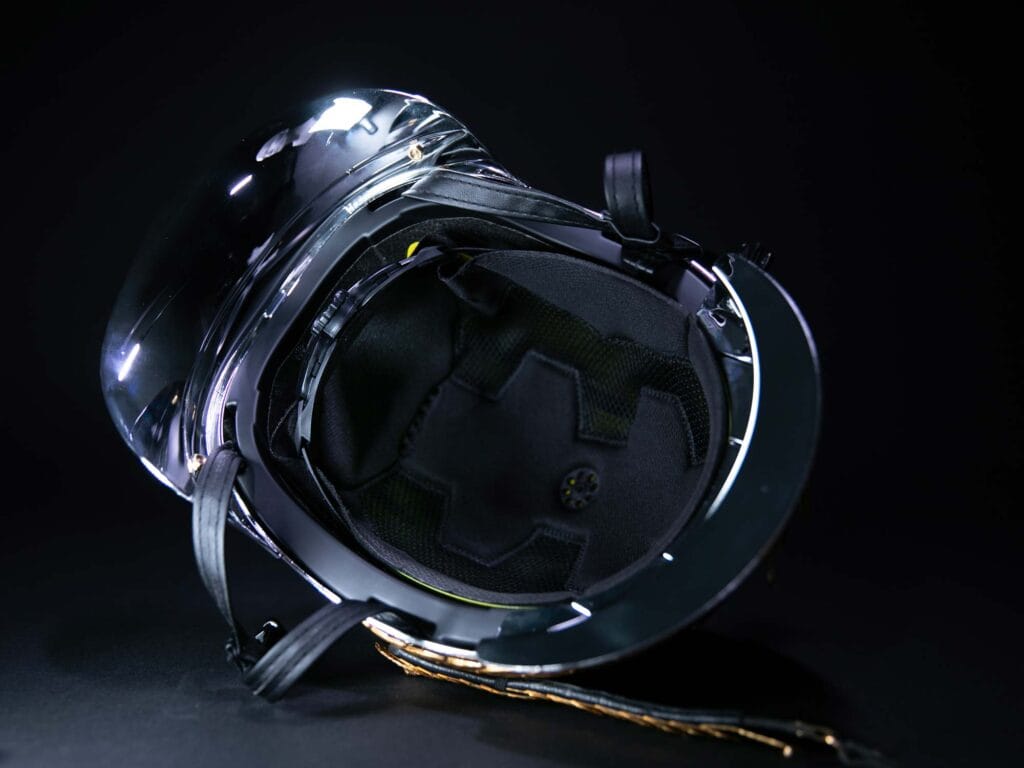
The project began with an in-depth feasibility study, where Svekon analysed the requirements from multiple perspectives—safety, user needs, and aesthetics. Among the safety features is the added Mips® safety system, designed to redirect rotational forces to the head in angled impacts, such as during a fall. In addition, decorative elements like the spike and plume were made detachable to release during a fall, reducing the risk of injury.
“Overall, the ongoing collaboration and open dialogue throughout the project allowed us to achieve an extremely high result. I’m very pleased—it turned out far better than I had hoped.”
Hans Augustin, Major and responsible for ceremonial equipment procurement, Swedish Armed Forces
Listen to what Hans Augustin, Major and responsible for ceremonial equipment procurement at the Swedish Armed Forces, thinks about the result.
Feasibility Study Focused on Safety and Historical Design
The first step was to gather knowledge about both functionality and appearance. Together with the Swedish Armed Forces, Svekon identified which elements were critical to preserving the ceremonial look—and which could be adapted to meet today’s safety standards.
This thorough feasibility study laid a solid foundation for the continued development, with clear guidelines for construction, materials, and design.
“The challenge was to incorporate modern safety technology while retaining the helmet’s historical appearance. The shape and visual identity were important to preserve because they’re part of our shared cultural heritage.”
Marika Linde, Project Manager, Svekon
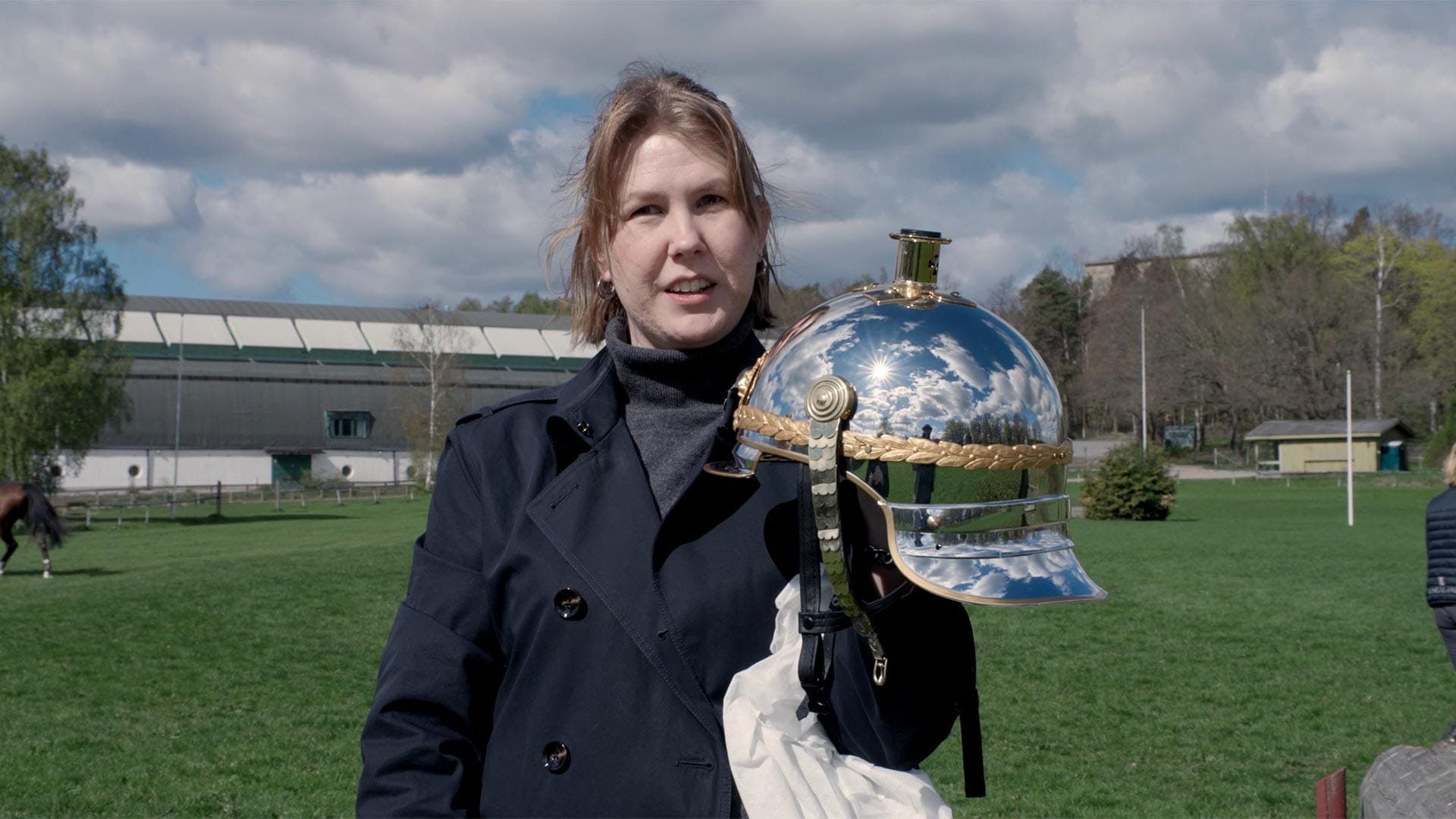
Listen to Marika Linde, Project Manager at Svekon, as she tells more about the project.
Material Choices, Construction and Verification
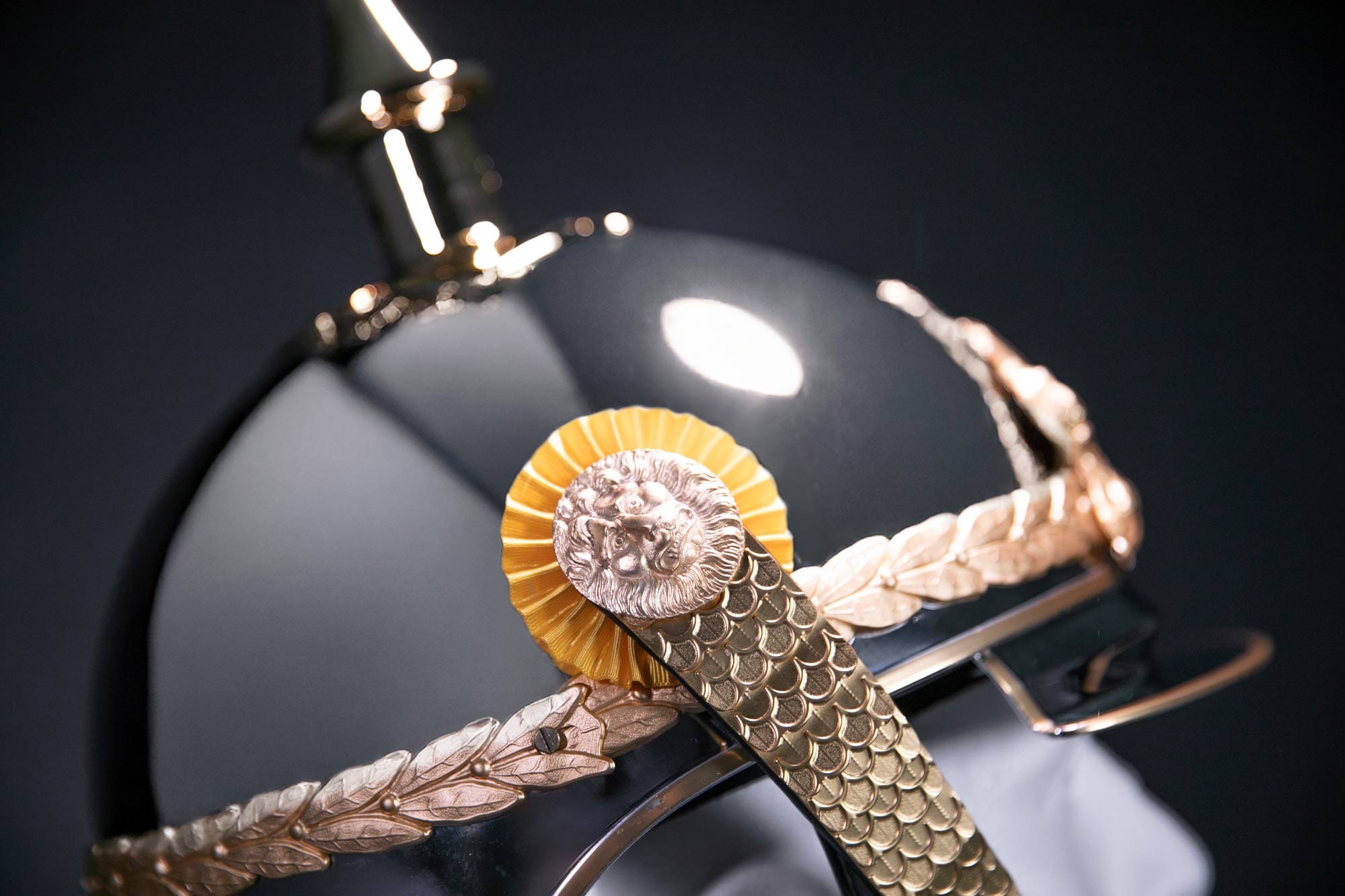
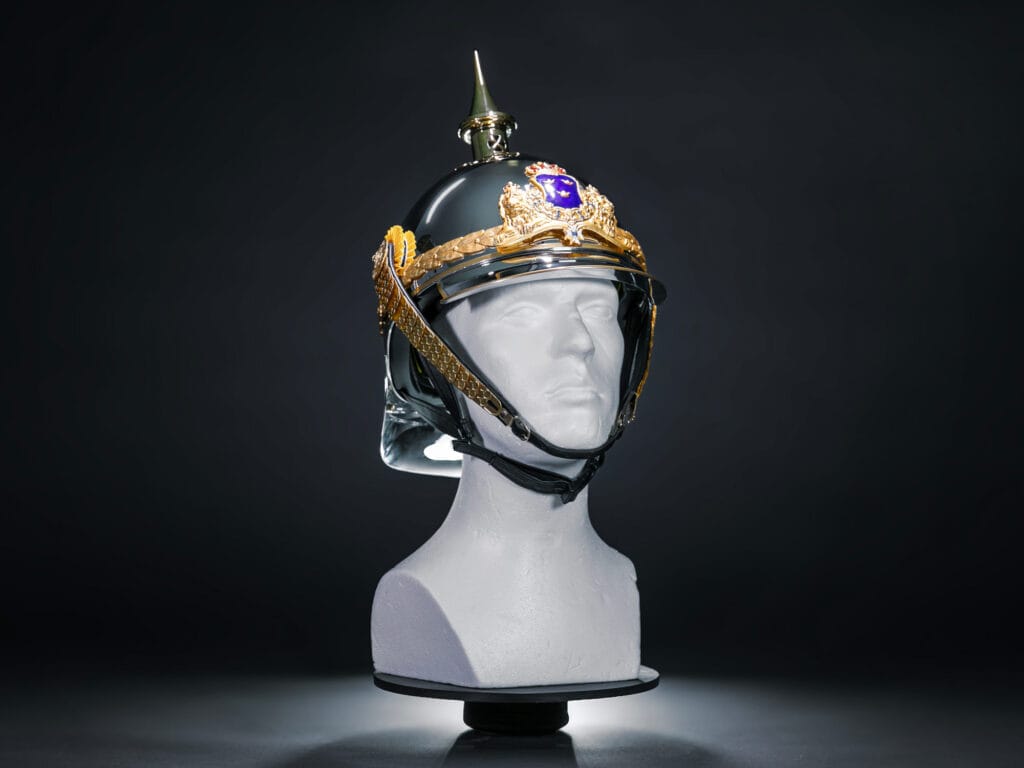
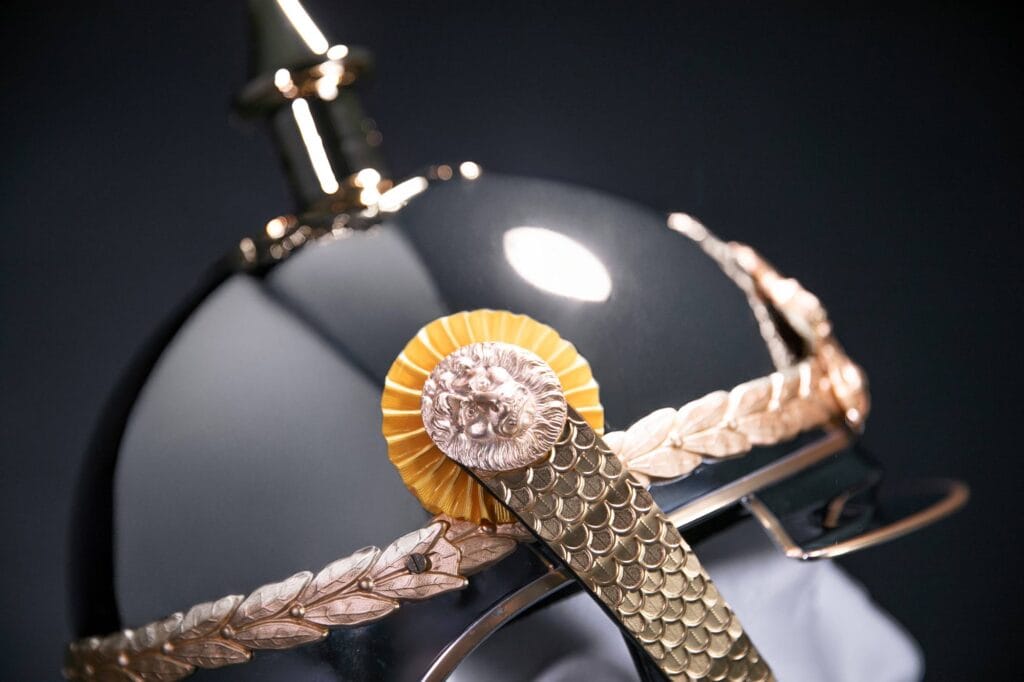
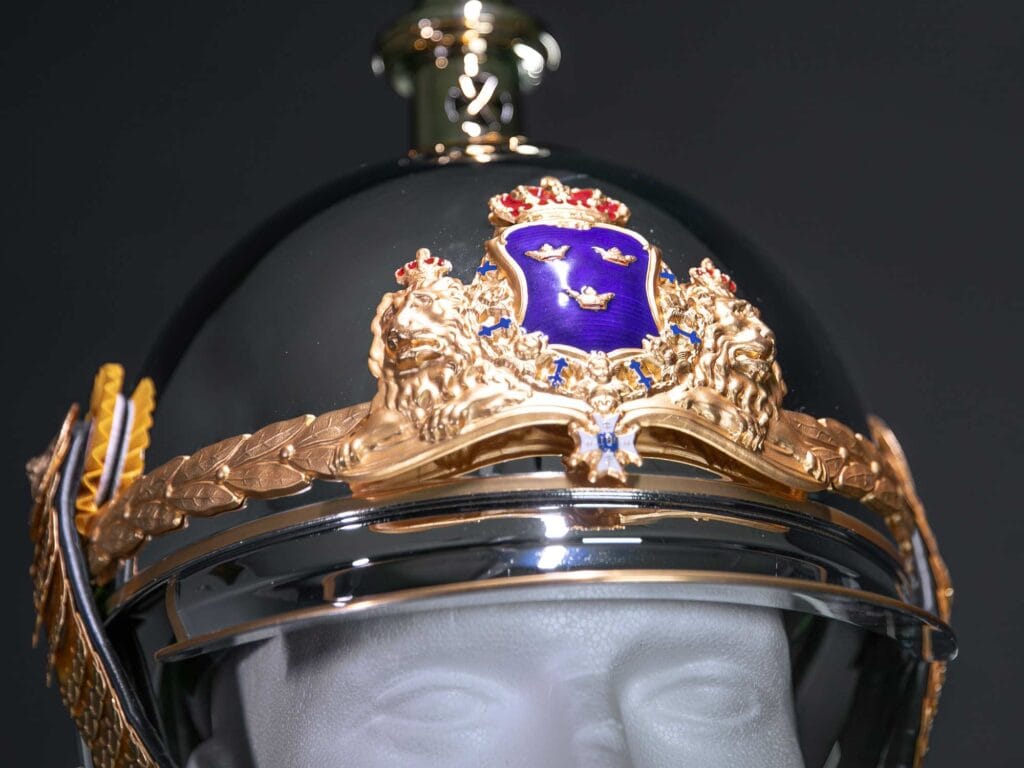
Every component of the helmet was developed to balance safety, durability, and historical accuracy. Decorative elements like the spike, plume, heraldic plate, and battle band were central challenges—important to the ceremonial look but associated with safety risks in case of a fall.
The solution was a technically advanced attachment system that holds the decorations securely during use but releases under heavy impact. This applies to the heraldic plate and spike, which are mounted with pins and tested to detach when needed. The spike can also easily be replaced with a plume for ceremonial occasions, such as Sweden’s National Day.
The helmet’s outer shell is made of plastic with metal detailing, making it lighter than its predecessor—despite being slightly larger to accommodate internal protection. The inner Mips layer provides enhanced protection against rotational forces during angled impacts.
The helmet shell is designed to be replaced after approximately four years of use, while the decorative elements are reused—reducing environmental impact, lowering costs, and preserving the ceremonial expression over time.
Physical prototypes were produced, and both the slip layer and decorations were tested and verified by Mips in their own lab environment, focusing on rotational protection, shock absorption, and impact behaviour.
Close Collaboration – From Technology to Testing
Mips was a key partner in the project, contributing to both the development of the internal slip layer and the testing of external decorative components. The collaboration was marked by openness and continuous dialogue throughout the process.
“Svekon reached out to us at an early stage, and we’ve been involved in designing the slip layer and testing the external decorations. The collaboration worked extremely well—we’ve had regular check-ins and a clear dialogue from start to finish.”
Maria Daggenfelt, Project Manager, Mips
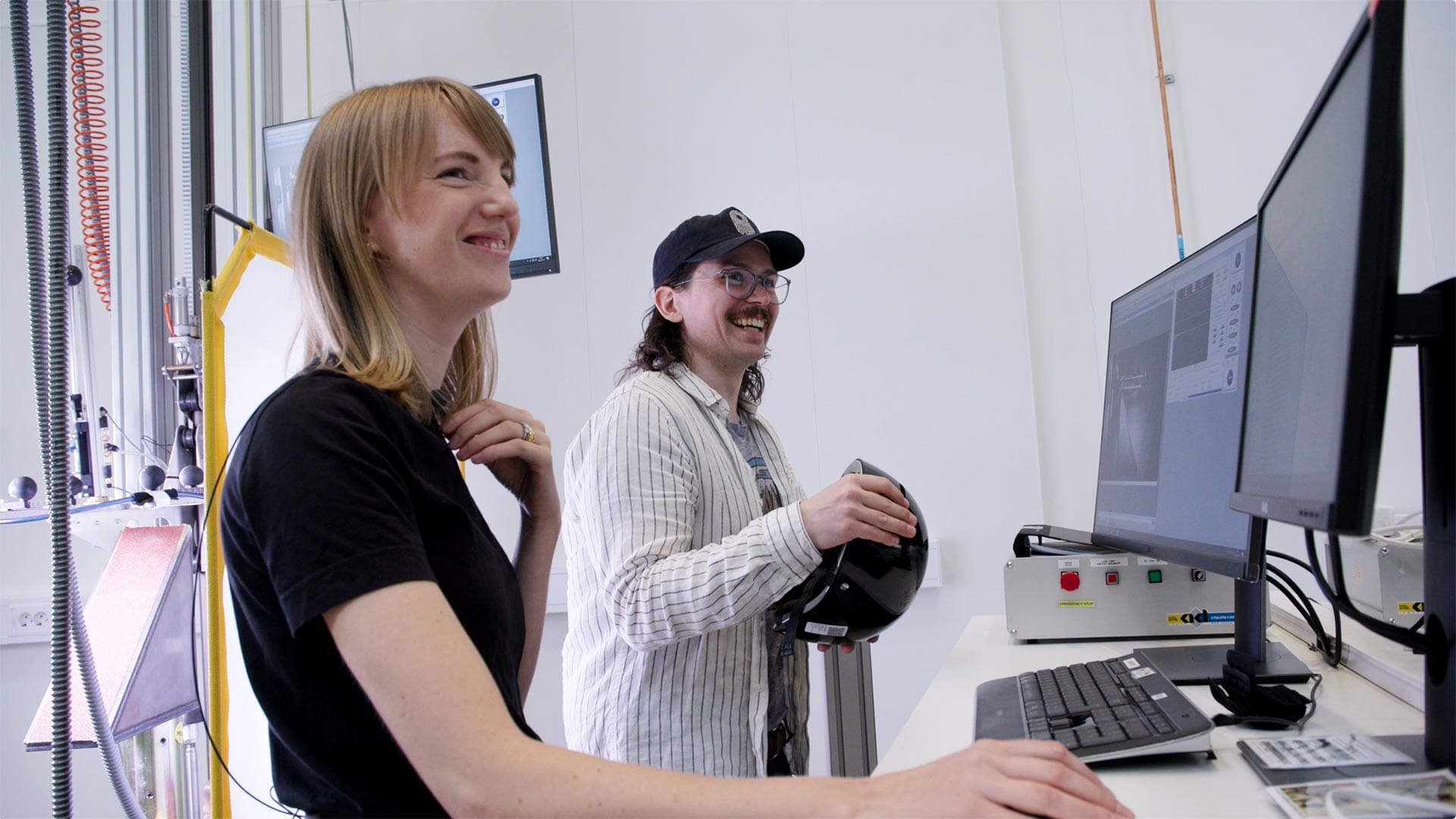
Listen to Maria Daggenfelt, Project Manager at Mips, as she talks about safety and testing in the project.
“My impression is that it feels really good. Secure, stable, and comfortable to ride in. It felt like a regular riding helmet—but much better looking.”
Magdalena Sjökvist, Soldier, Life Guards Battalion
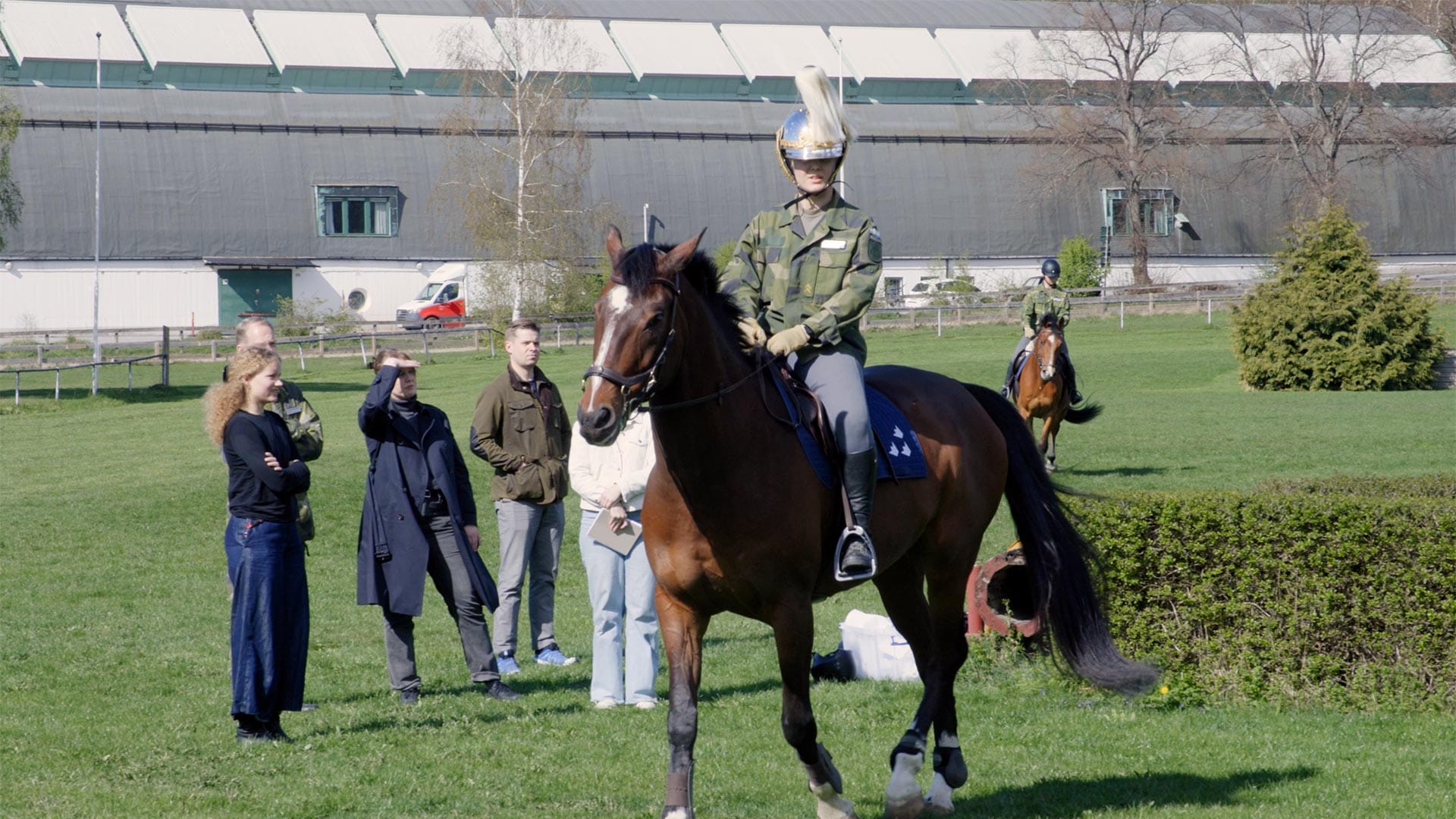
Listen to Magdalena Sjökvist, soldier in the Life Guards Battalion, as she shares her experience from the test ride.
A Successful Collaboration – Where Safety Meets Tradition
The result is a helmet that meets all requirements—from safety certification to traditional appearance. The helmet is approved in accordance with the Swedish Equestrian Federation’s guidelines and is of such high standard that it may even be used in elite-level competitions.
“Now we have a riding helmet that you could even compete in Olympic eventing with.”
Hans Augustin, Major and responsible for ceremonial equipment procurement, Swedish Armed Forces





Stepwise Introduction and a Sustainable System
The new ceremonial riding helmet is being gradually introduced into the Swedish Armed Forces’ ceremonial operations and is used by soldiers, officers, and musicians during mounted parades and escorts.
A total of 1,000 helmets are being produced in sizes 55–64, with an initial delivery of 500 units. Each helmet has an estimated service life of up to four years. When a helmet is decommissioned, the decorative elements are reused and mounted on a new shell—a system that conserves resources while maintaining the ceremonial appearance over time.
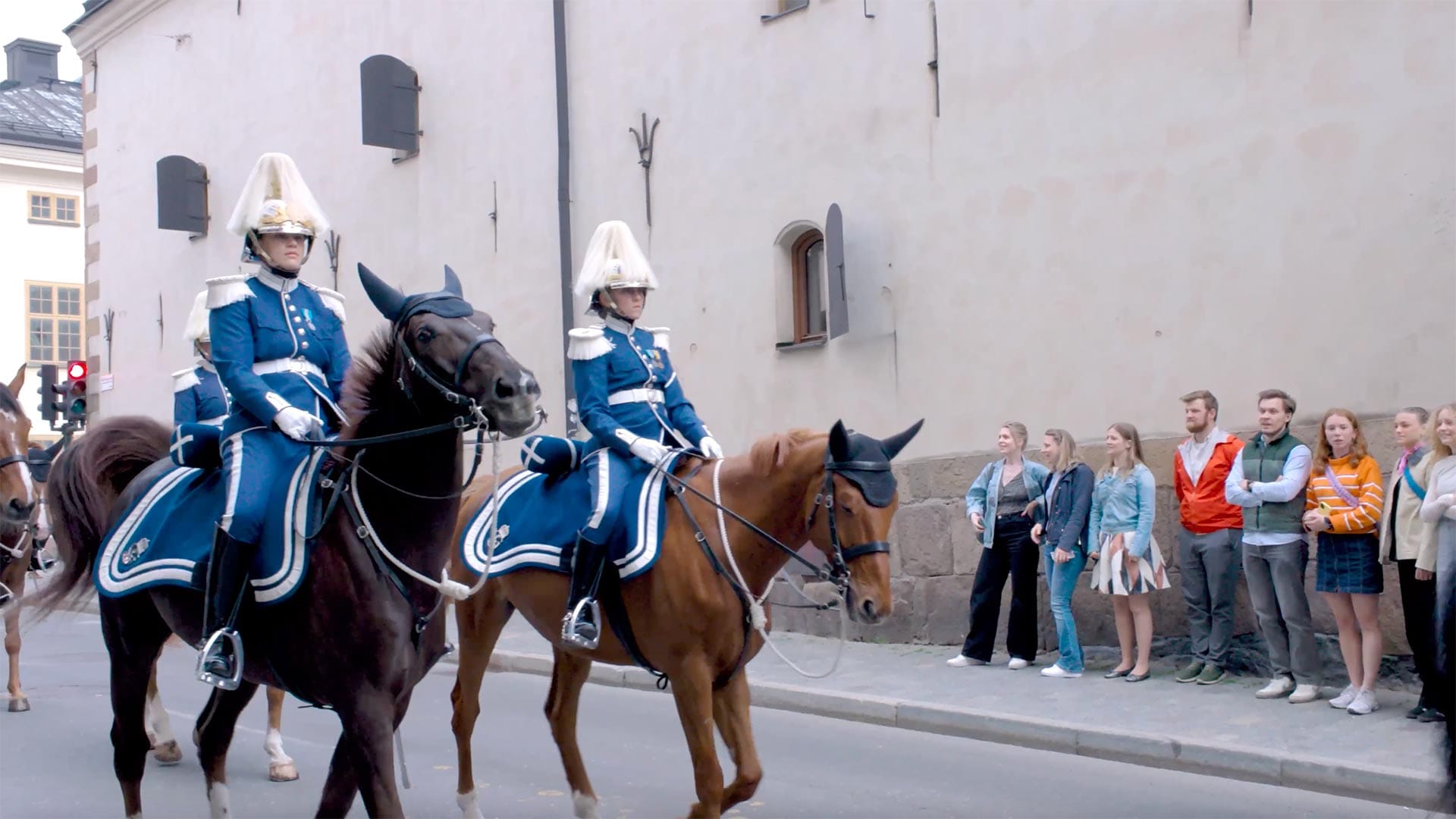
On Sweden’s National Day 2025, the Ceremonial Riding Helmet was worn for the first time in a ceremonial setting – during the mounted escort that accompanied the Royal Family from the Royal Palace to the celebrations at Skansen.